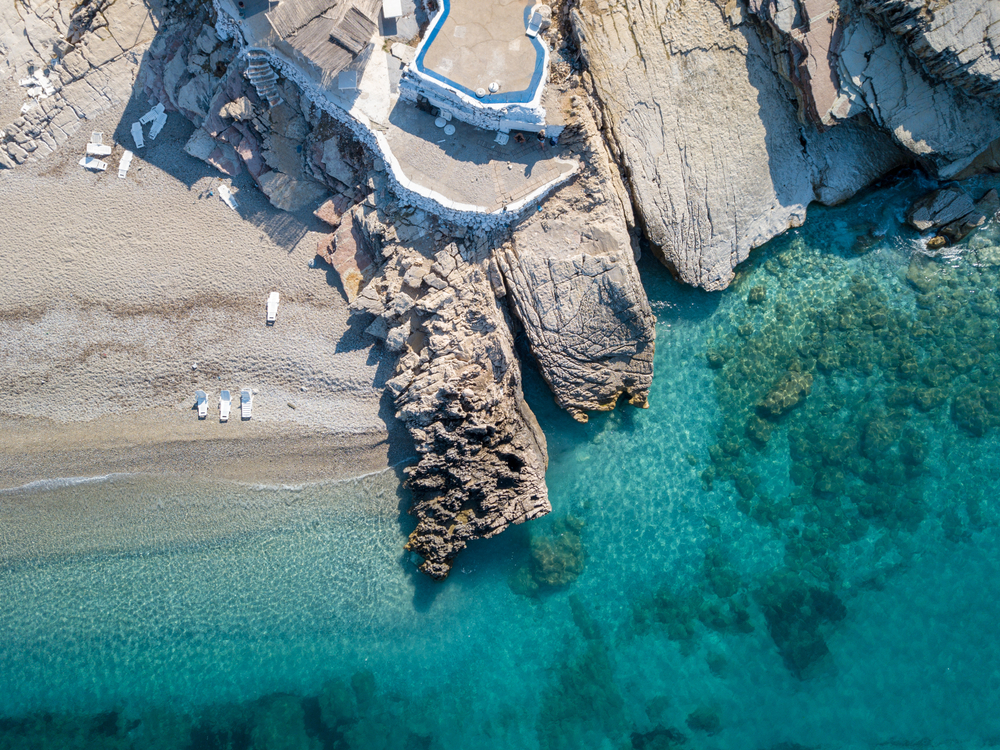
Few archaeological sites in the Mediterranean pack as much history into as beautiful a setting as Butrint. Lying about 18 kilometres south of Sarandë on a wooded peninsula between a lake and the sea, this ancient city was declared a UNESCO World Heritage Site in 1992 and later a national park. It is one of the most rewarding day trips on the whole Albanian Riviera, and a highlight of our complete guide to things to do in Sarandë.
The History of Butrint
What makes Butrint extraordinary is its layering. The site was inhabited for more than two and a half thousand years, and each civilisation left its mark — Greek, Roman, Byzantine, Venetian and Ottoman. According to legend it was founded by Trojan exiles, and it later flourished as a Roman colony and a Byzantine bishopric before slowly being abandoned to the marshes. Walking the loop feels less like crossing a field of ruins and more like moving through the centuries.
Highlights Not to Miss
The main circuit is compact but dense with things to see. These are the highlights to prioritise as you walk.
The Ancient City
The Greek Theatre
A remarkably intact 3rd-century-BC theatre set into the hillside, still used for occasional performances in summer.
The Baptistery Mosaic
One of the finest early-Christian mosaic floors in the region (often kept covered in protective sand, but stunning when revealed).
The Lion Gate & City Walls
Massive fortifications carved with a relief of a lion devouring a bull, part of the layered defensive walls.
The Venetian Tower & Museum
Crowning the acropolis, with a small museum of finds and sweeping views over the lake and the Vivari Channel.
The Wetlands and Wildlife
Butrint is as much a nature reserve as an archaeological one. The surrounding lagoon and forest shelter herons, egrets, kingfishers and, in migration season, huge numbers of waterbirds. The greenery keeps the peninsula cool even in high summer — bring binoculars if you are keen on wildlife, and note that the same lagoon supplies much of the region's prized mussel harvest.
How to Visit Butrint
A little planning makes the visit far more enjoyable, particularly in the hotter months.
Getting There
From Sarandë it is a scenic 30-minute drive south, passing through Ksamil on the way. A local bus runs several times a day in season, and taxis are affordable if you prefer to go directly. As Butrint is the last stop on the road, you cannot get lost — simply follow the coast south until it ends. Our transport guide covers getting around the area in more detail.
Tickets, Timing and Tips
Go early or late
Visit in the morning or late afternoon to avoid both the midday heat and the tour-bus crowds that arrive mid-morning.
Allow 2–3 hours
Enough time to complete the full loop, climb to the acropolis and enjoy the views without rushing.
Wear good shoes
The ancient paving is uneven; comfortable shoes and water are essential in summer, and there is little shade on parts of the loop.
Consider a guide
Licensed guides at the entrance bring the ruins to life and are well worth the modest cost if you want the history explained.
Combine Butrint with Ksamil
Because Ksamil sits right on the road between Sarandë and Butrint, many visitors build a single unhurried day around both — ancient ruins in the cooler morning, then an afternoon swimming among Ksamil's islands. Add the inland Blue Eye spring and you have a classic Sarandë day trip. Whichever way you plan it, base yourself somewhere central and comfortable; our sea-view rooms put you within easy reach of all three.
A Walk Through Butrint's Layers of History
Part of what makes Butrint so absorbing is that you can trace the rise and fall of successive civilisations as you walk. Here is the story the stones tell, era by era.
Greek Origins
The earliest substantial settlement grew around a sanctuary to Asclepius, the god of healing, in the 4th century BC. Pilgrims came for cures, and the revenue helped fund the theatre and city walls you still see today.
Roman Colony
Under Rome, Butrint became a prosperous colony with a forum, bath houses and aqueduct. Wealthy Romans built villas around the lagoon, and the town thrived as a trading post on the route between Italy and Greece.
Byzantine and Venetian Eras
In the Byzantine period Butrint became an important bishopric, which is when the great baptistery and its mosaics were built. Later the Venetians fortified the site against the Ottomans, leaving the tower and defences that crown the acropolis today before the city was finally abandoned to the marshes.
Extending Your Visit
If you have time and energy after the main circuit, take the small chain ferry across the Vivari Channel to the triangular Ali Pasha Castle on the far bank — a quiet, atmospheric ruin with hardly any crowds. From there it is a short drive back through Ksamil for a swim, making a full and varied day out from Sarandë. Round it off with dinner featuring the lagoon's famous mussels, covered in our food guide.
Frequently Asked Questions
Is Butrint worth visiting?
Absolutely. Butrint is a UNESCO World Heritage Site with 2,500 years of history — Greek, Roman, Byzantine and Venetian — set in a beautiful lakeside nature reserve. It is widely considered one of the most impressive archaeological sites in the Balkans.
How much time do you need at Butrint?
Plan for two to three hours to walk the full loop, climb to the acropolis for the views and explore the small museum without rushing. History enthusiasts with a guide may want longer.
How do you get to Butrint from Sarandë?
Butrint is about 18 kilometres south of Sarandë, a 30-minute drive through Ksamil. You can take a local bus, a taxi, an organised tour or drive yourself; it is the final stop at the end of the coastal road.
When is the best time to visit Butrint?
Early morning or late afternoon is best, to avoid the midday heat and the busiest tour-bus hours. Spring and autumn are especially pleasant, though the shaded, wooded site stays cooler than the coast even in summer.
Can you combine Butrint with Ksamil in one day?
Yes, and it is a popular plan. Ksamil lies on the road between Sarandë and Butrint, so many visitors tour the ruins in the morning and spend the afternoon at Ksamil's beaches.
How much does it cost to visit Butrint?
Entry to Butrint National Park is inexpensive by European standards, with a modest ticket price. Hiring a licensed guide at the entrance costs extra but is well worth it for the historical context they provide.
Is Butrint suitable for children?
Yes, though the uneven ancient paths suit older, sturdier walkers better than toddlers. Children often enjoy climbing the Venetian tower, exploring the theatre, and spotting birds and turtles in the surrounding wetlands.
Ready to Experience Sarandë?
Book your stay at Harbour Hotel and discover the best of the Albanian Riviera.
Book Your Stay